Investment-Grade Intelligence for Carbon Markets
Pricing indices, liquidity indicators, performance benchmarks, and peer comparisons across 36,000+ projects.
AlliedOffsets provides investment intelligence for carbon markets
How do I evaluate, de-risk, and scale investments in carbon projects using market, policy, and performance intelligence?
Scoping & Policy Readiness
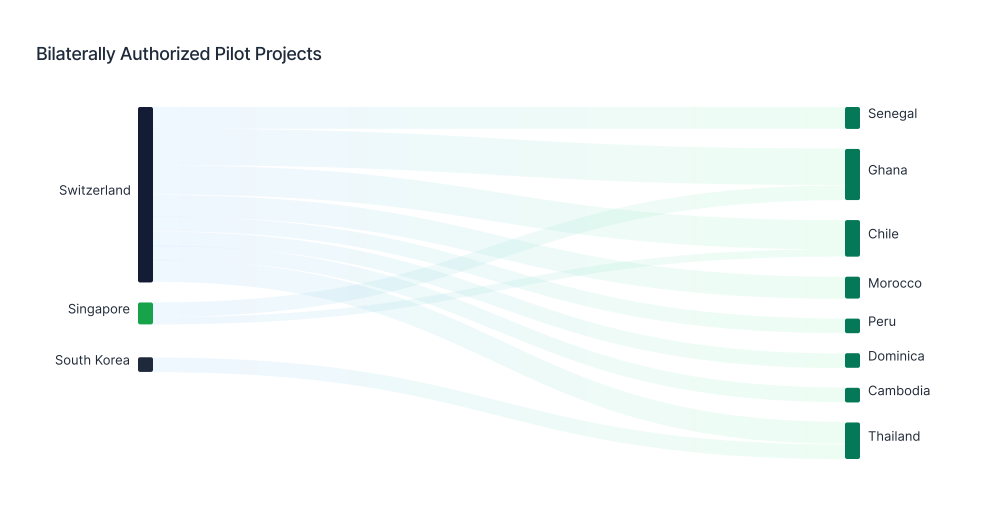
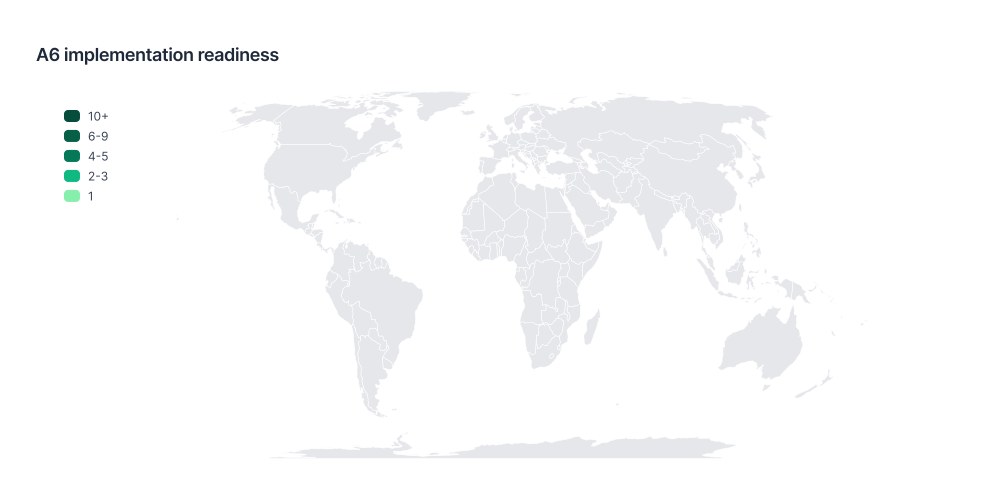
Identify the most favorable jurisdictions for project investment using country risk analysis, Article 6 readiness, and compliance eligibility tracking under CORSIA and emerging regulatory frameworks.
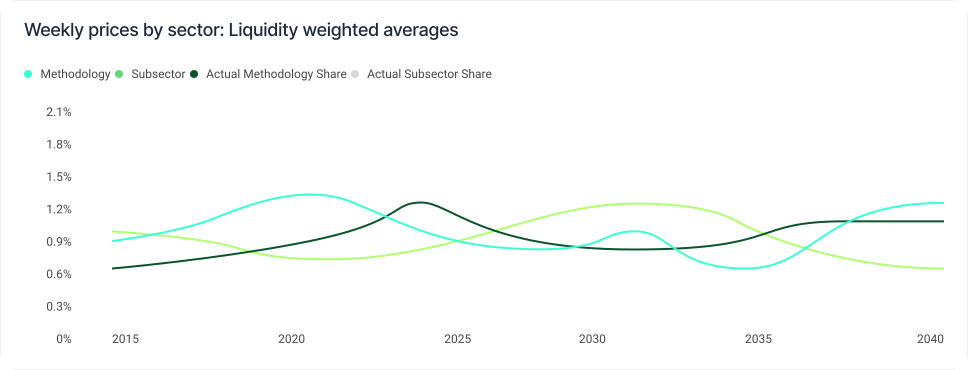
Market Pricing & Price Discovery
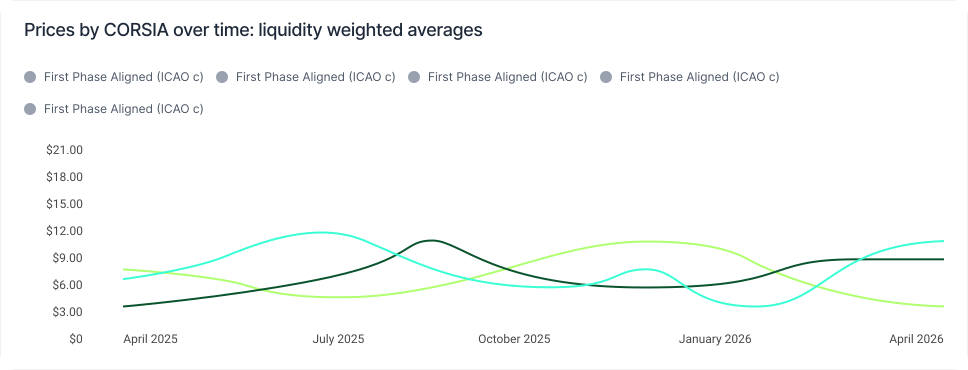
Use project-level price benchmarks, historic transactions, and trend analytics to evaluate how methodology, geography, vintage, and quality attributes influence long-term price performance.
Performance & Risk Due Diligence
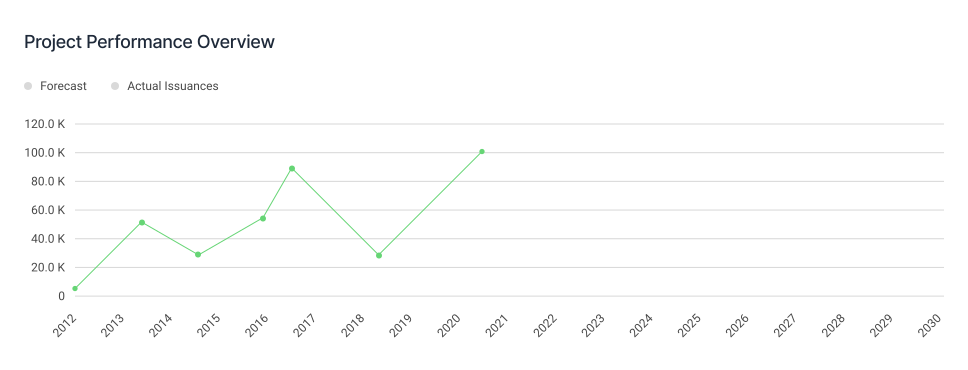
Perform deep market due diligence on project developers, methodologies, and countries, tracking issuance rates, delivery performance, verification cycles, and execution risk.
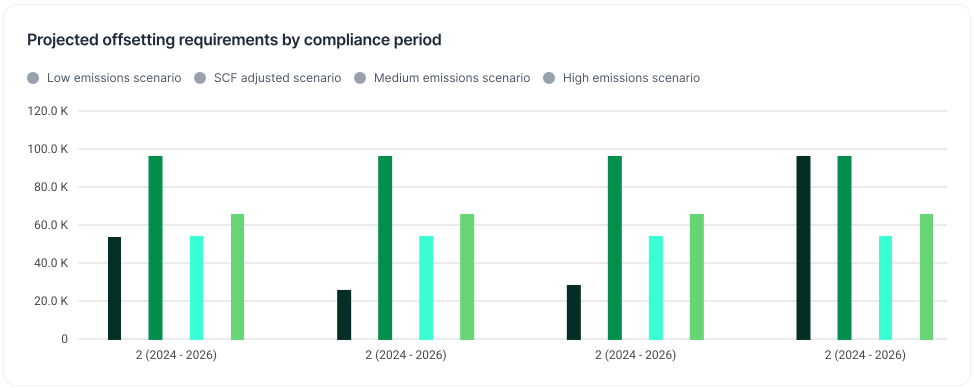
Market Forecasting & Growth Intelligence
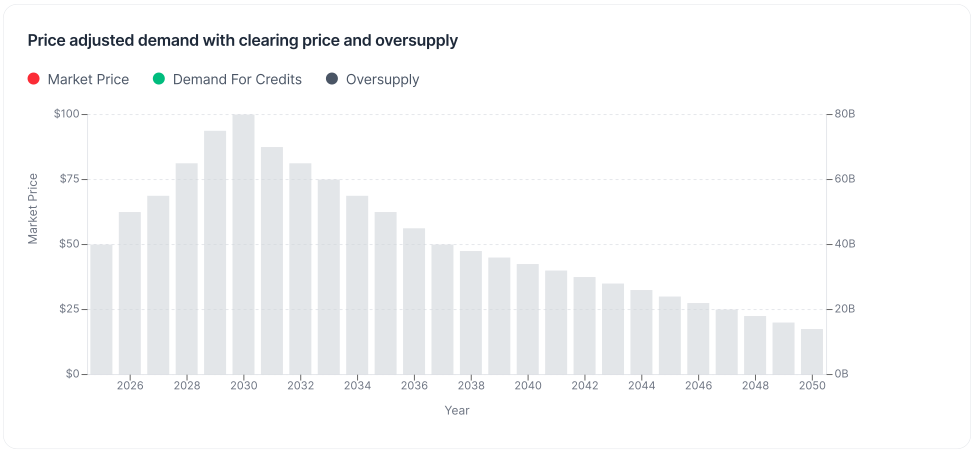
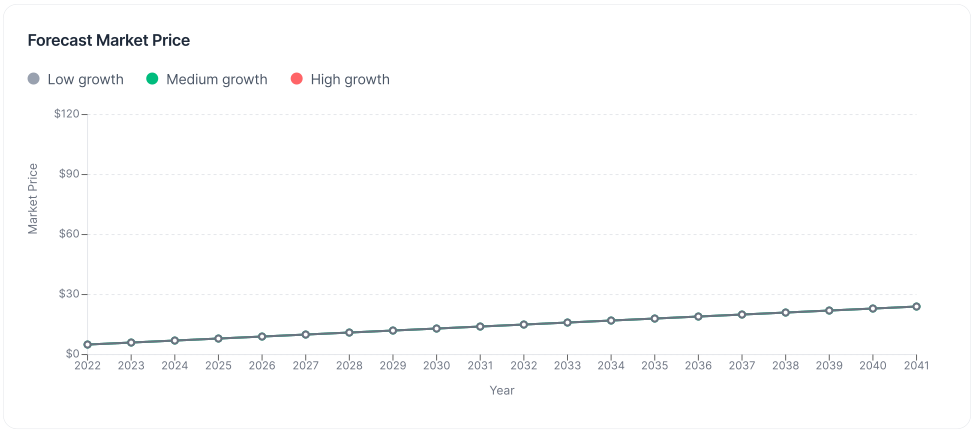
Explore supply, demand, and price forecasting models to identify high-growth segments, emerging opportunities, and long-term portfolio strategies across the voluntary carbon market.
FAQs: how can AlliedOffsets support project investment?
Feasibility depends on methodology eligibility, baseline additionality, land tenure, and realistic issuance timelines against registry backlogs. AlliedOffsets tracks issuance-to-registration lag and methodology-level approval data across registries, so investors can benchmark a project’s expected timeline against comparable projects before committing capital.
Profitability varies by credit type, vintage, and buyer demand rather than project category alone. Removal credits and high-integrity nature-based projects with strong co-benefits have commanded premium pricing in recent years. AlliedOffsets’ pricing data by project type and registry lets investors compare margins across the market rather than relying on averages.
Carbon project risk spans delivery risk (will credits issue as forecast), integrity risk (will they hold value), and policy risk (will rules change under it). AlliedOffsets combines issuance history, registry status, and market pricing signals into a single view, so risk assessment isn’t based on developer projections alone.
Article 6 introduces authorisation requirements and corresponding adjustments that can affect whether credits qualify for international claims, which changes both project economics and buyer eligibility. AlliedOffsets tracks Article 6 country participation and authorisation status at the project level, so developers and investors can see which projects are affected.
Delivery risk is best assessed by comparing a project’s forecast issuance schedule against its actual historical issuance pattern and registry-level delays. AlliedOffsets tracks issuance timing and volume by project and methodology, giving investors a data-backed basis for underwriting delivery risk instead of relying on developer estimates alone.
Yes, AlliedOffsets’ team builds bespoke market analysis using, speak to our team to discuss this and get a quote.
Yes, AlliedOffsets tracks both engineered removal methodologies (DACCS, biochar, enhanced weathering) and nature-based projects within the same platform, so buyers and investors can compare pricing, issuance, and durability profiles across removal types without switching data sources.